

Local & Available near you
As the map below shows we cover all areas locally in Oxford & Bucks, including those between the pins.
Oxfordshire
Barnet
Bexhill-on-sea
Billingshurst
Brighton
Buckinghamshire
Bicester
Brent
Banbury
Abingdon
Aylesbury
High Wycombe
Marlow
Amersham
Thame
Oxford
Didcot
Abingdon-on-Thames
Witney
Carterton
Caterham
Camberley
Crawley
Crowborough
South London
Kidlington
Wallingford
Wimbledon
Henley-on-Thames
Beaconsfield
Gerrards Cross
Great Missenden
Chalfont St Giles
Chalfont St Peter
Princes Risborough
Wendover
Buckingham
Watlington
Summertown
Headington
Eynsham
Henley-on-Thames
Chipping Norton
Burford
Princes Risborough
Great Missenden
Local – Affordable – Professional
Local Areas we remove Spray Foam in
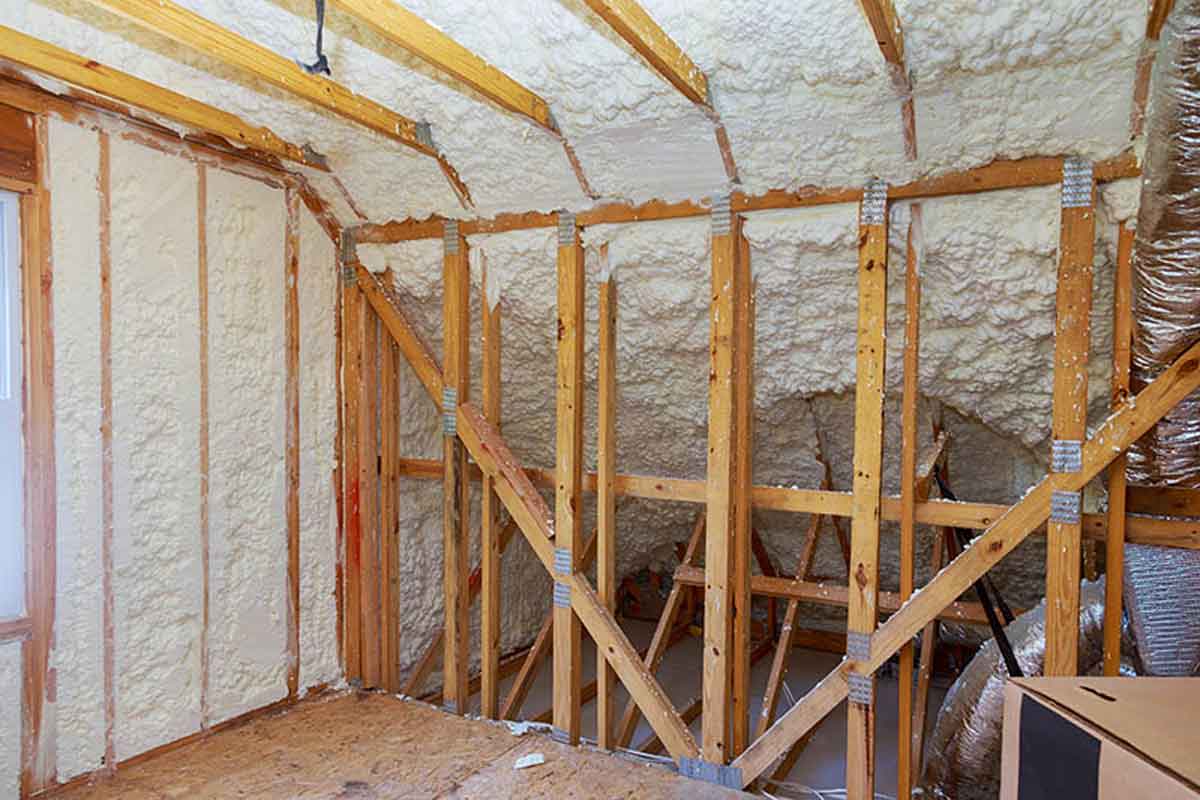
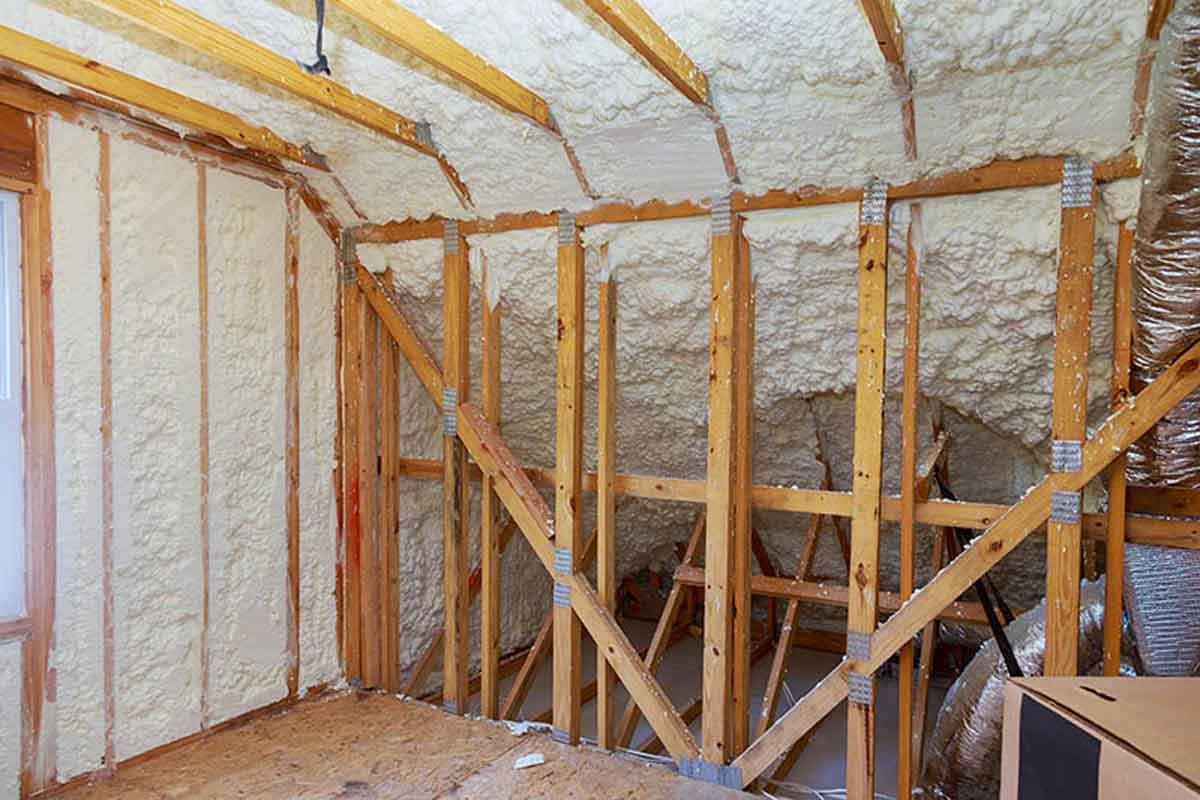
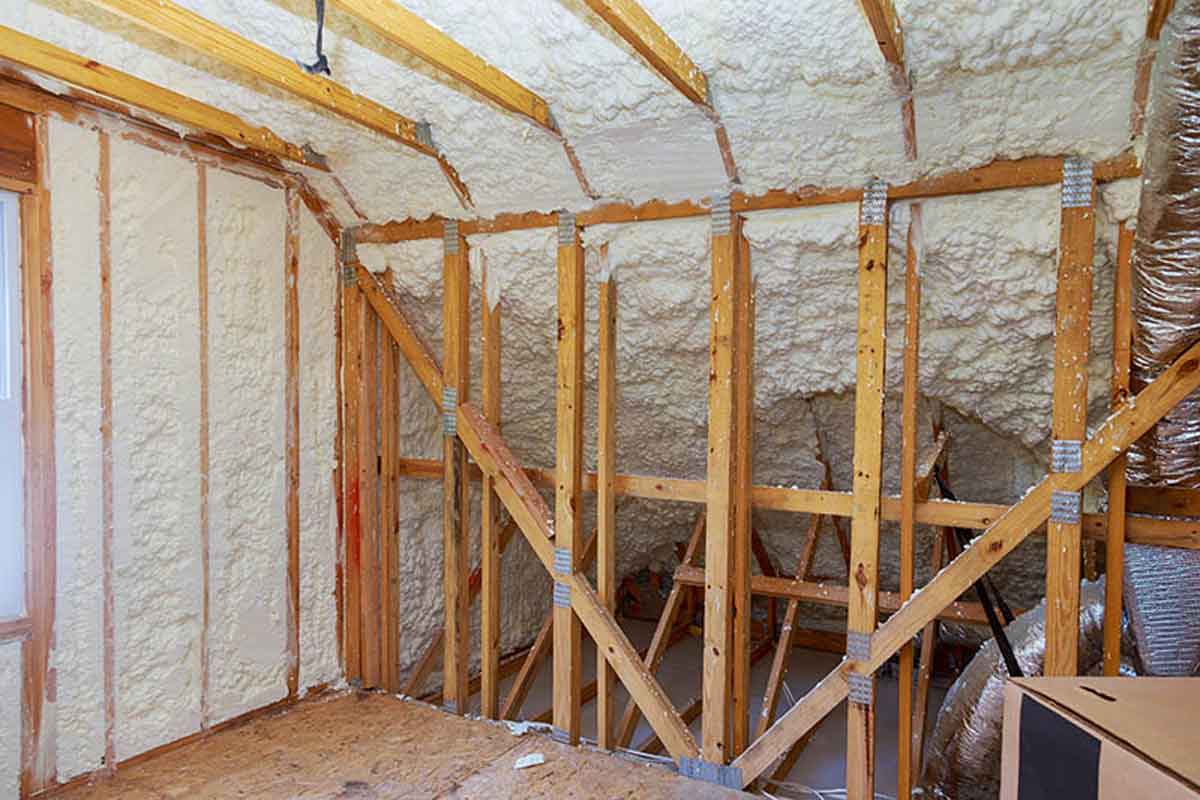
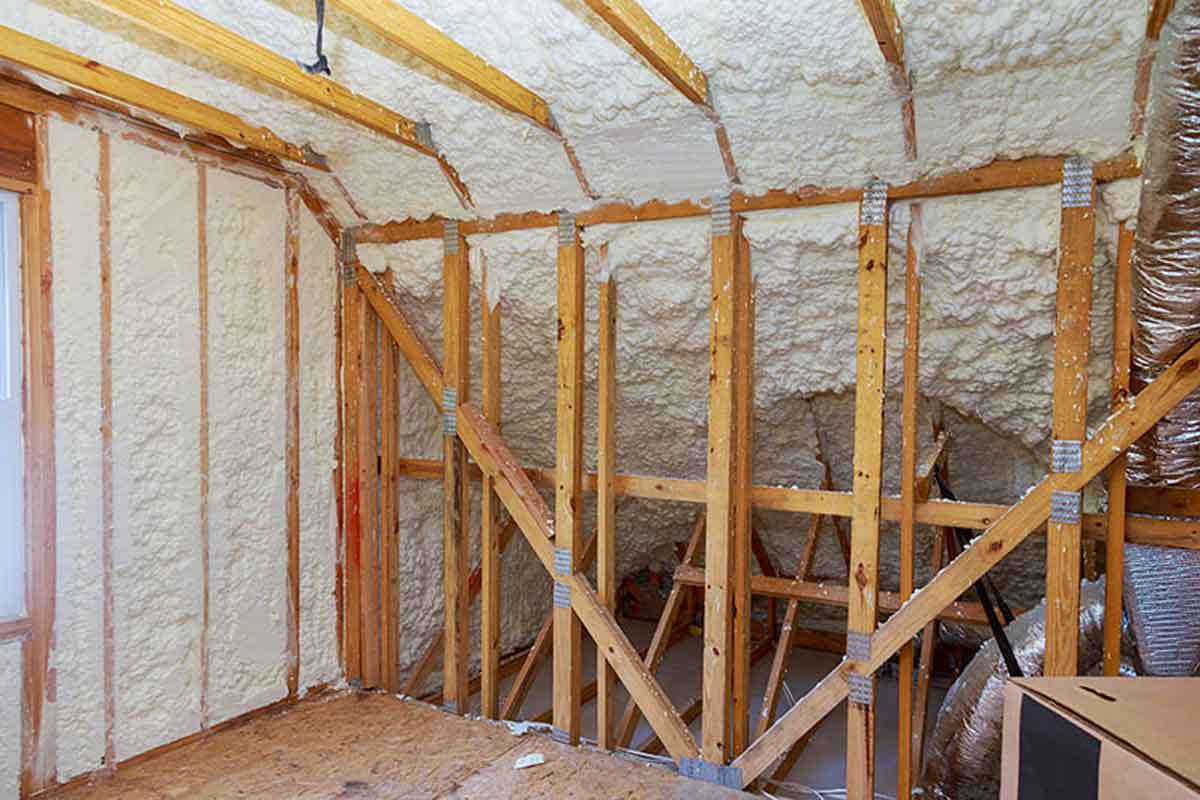
We help you to resolve problems with buyers and lenders by providing a nationwide safe professional spray foam insulation removal service.







Passionate – Dedicated – Professional
Built to Stay Dry —
Whatever the Weather
We don’t just remove spray foam; we build trust & saleability.
We also provide professional Roofing Services, Loft Insulation, and Cavity Wall Insulation Services, ensuring your home remains warm, dry, and energy efficient for decades.
Passionate – Dedicated – Professional
Frequently Asked Questions
Here are some questions that home owners in the UK often ask about Spray Foam Removal, Roofing, Loft Insulation & Cavity Wall Insulation.
We provide a full range of professional roofing services nationwide, including roof repairs, roof replacements, flat roofing, pitched roofing, emergency roof repairs, and roofing inspections. Our experienced team works on residential, commercial, and industrial properties throughout the UK.
Yes. We offer roofing services across England, Scotland, and Wales. Our nationwide coverage allows us to respond quickly while maintaining consistent workmanship and compliance with UK building standards.
We work on all common UK roof types, including tiled roofs, slate roofs, flat roofs, felt roofs, rubber (EPDM) roofs, metal roofs, and garage roofs. We also specialise in roofs previously affected by spray foam insulation.
Roofing costs vary depending on the size of the roof, materials used, and the scope of work required. We provide free, no-obligation surveys and transparent quotes so you can make an informed decision with no hidden costs.
Yes. We offer free roofing inspections and written quotations across the UK. Our surveys assess roof condition, ventilation, structural integrity, and any issues caused by spray foam insulation or moisture.
Absolutely. We specialise in repairing and restoring roofs affected by spray foam insulation. This includes removing damaged materials, addressing trapped moisture, and restoring the roof to a mortgage-compliant condition.
Yes. We provide emergency roofing repairs for issues such as storm damage, leaks, missing tiles, and structural risks. Emergency call-outs are available nationwide to protect your property from further damage.
Minor roof repairs can often be completed within a day, while full roof replacements typically take several days depending on roof size and complexity. We provide clear timelines before any work begins.
Yes. We work on domestic homes, commercial buildings, warehouses, agricultural properties, and rental properties across the UK.
All our roofers are fully trained, insured, and experienced in accordance with UK health and safety regulations. We carry public liability insurance and follow best industry practices on every project.
Yes. We install and replace flat roofs using modern materials such as EPDM rubber roofing, GRP fibreglass, and high-performance felt systems, all suitable for the UK climate.
Yes. Roof issues—particularly those involving spray foam insulation—can cause mortgage refusals. We provide remedial roofing work and documentation to help bring properties back to lender-acceptable standards.
We use high-quality, durable materials suited to UK weather conditions, including slate, clay tiles, concrete tiles, felt, rubber roofing, and metal systems. Material choice is discussed during your survey.
Yes. Proper roof ventilation is essential for preventing condensation and timber decay. We assess airflow during inspections and install suitable ventilation systems where required.
Common signs include water leaks, missing or broken tiles, sagging rooflines, mould, and poor ventilation. A professional roof inspection will confirm whether repair or replacement is the best option.
Yes. All roofing work is completed in line with UK building regulations and relevant standards. Compliance is particularly important when correcting defects caused by spray foam insulation.
Yes. We regularly combine roofing works with spray foam insulation removal, ensuring the roof structure is protected, repaired, and future-proofed after removal.
Yes. We provide workmanship guarantees, and many roofing materials also include manufacturer warranties for additional peace of mind.
Start times depend on location and workload, but we aim to schedule roofing projects as quickly as possible. Emergency repairs are prioritised.
You can contact us by phone or through our website to arrange a free roofing survey anywhere in the UK. One of our specialists will assess your roof and provide a clear plan of action.
Loft insulation reduces heat loss through the roof, helping UK homes stay warmer in winter and cooler in summer while lowering energy bills and improving overall energy efficiency.
We install mineral wool, fibreglass, and other high-performance loft insulation materials suitable for UK housing, roof structures, and building regulations.
The cost depends on loft size, insulation type, and access. We provide free surveys and fixed quotations to ensure accurate pricing with no hidden costs.
Most loft insulation installations can be completed within one day, depending on the property size and condition of the existing insulation.
Current UK guidance recommends loft insulation depth of approximately 270mm to achieve effective thermal performance and meet modern energy efficiency standards.
Yes. Proper loft insulation can significantly reduce heat loss, helping homeowners lower heating costs and improve the energy efficiency of their property.
Yes. We provide professional loft insulation services across England and Wales, with consistent standards and experienced installers.
Loft insulation is suitable for most UK homes, including houses, bungalows, and some flats, subject to roof design and access.
Yes. Installing or upgrading loft insulation can improve a property’s EPC rating, which is important for homeowners, landlords, and property sellers.
When installed correctly using approved materials, loft insulation is safe and compliant with UK building regulations. Proper ventilation is assessed during installation.
Spray Foam Insulation on the other hand is generally unsafe and can cause harm to your home by trapping condensation and causing structural timbers to rot and harmful mould to grow. If you have spray foam insulation in your property it needs to be carefully removed by an expert. Contact us for help and advice.
Correctly installed loft insulation does not cause damp. We assess ventilation and airflow to prevent condensation and moisture-related issues.
The type of insulation which is known for causing condensation and damp and even mould is closed cell spray foam insulation. It is recommended that this be removed and replaced with safe UK regulation approved insulation instead.
Yes. We can remove and replace old, compressed, or unsuitable insulation before installing new, high-performance loft insulation.
Many loft insulation materials are energy-efficient and environmentally responsible, helping reduce carbon emissions by lowering heating demand.
In properties with existing spray foam insulation, specialist assessment is required. We can advise on safe removal and appropriate insulation solutions.
Yes. All loft insulation work is carried out in line with current UK building regulations and recognised energy efficiency standards.
Quality loft insulation can last 30–40 years or more when correctly installed and protected from moisture and compression.
Loft insulation can be installed with raised boarding systems to maintain usable storage space while still achieving thermal performance.
Yes. Older properties often benefit the most, as they typically lose more heat through uninsulated or poorly insulated loft spaces.
Landlords are required to meet minimum energy efficiency standards. Loft insulation can help rental properties comply with EPC requirements.
You can contact us online or by phone on 0800 206 2396 to arrange a free loft insulation survey anywhere in the UK. We provide expert advice and clear recommendations.
Spray foam insulation removal is the process of safely extracting foam insulation from roof timbers and loft spaces to restore ventilation, prevent moisture damage, and bring properties back to mortgage-acceptable condition.
Spray foam is often removed due to trapped moisture, timber decay, failed mortgage surveys, or ventilation issues that can affect property value and structural integrity.
Spray foam can cause problems when incorrectly installed, as it may trap moisture against roof timbers, restrict airflow, and make future inspections or repairs difficult.
Yes. Many UK lenders refuse mortgages on properties with spray foam insulation due to inspection and moisture risks, often requiring professional removal before lending approval.
Yes. Spray foam insulation can be removed safely by trained specialists using controlled techniques that protect roof structures and minimise damage.
Most spray foam removal projects take one to three days, depending on loft size, foam type, and level of adhesion to roof timbers.
Costs vary based on property size, foam type, and access. A free professional survey is required to provide an accurate, fixed quotation.
Yes. Spray foam insulation removal services are available nationwide across England and Wales.
Yes. We remove both open-cell and closed-cell spray foam insulation, using appropriate methods for each type to ensure safe and effective removal.
When carried out correctly, spray foam removal is designed to minimise damage. Any affected timbers or materials can be assessed and repaired as part of the process.
Often, yes. Many buyers and mortgage lenders require spray foam insulation to be removed before proceeding with a property sale.
Yes. We provide documentation and evidence of professional spray foam removal to support mortgage and surveyor requirements.
After removal, the roof structure is inspected, ventilation is restored, and suitable loft insulation can be installed if required.
Yes. Removing spray foam insulation can improve marketability, mortgage eligibility, and overall property value.
Disruption is kept to a minimum. Most work is completed from the loft space, with limited impact on the rest of the property.
Removing spray foam can restore airflow and reduce condensation risk, particularly when combined with proper roof ventilation improvements.
Landlords may need removal if spray foam affects safety, EPC ratings, or mortgage eligibility, particularly when selling or refinancing rental properties.
Our professional spray foam removal is carried out in line with UK health and safety guidance and industry best practices.
Yes. Once spray foam is removed and ventilation restored, suitable loft insulation can be installed to improve energy efficiency.
You can book a free spray foam insulation removal survey online or by phone on 0800 206 2396 to assess suitability, costs, and next steps.
Cavity wall insulation involves filling the gap between a property’s inner and outer walls with insulating material to reduce heat loss and improve energy efficiency in UK homes.
Cavity wall insulation helps prevent heat escaping through external walls, reducing energy bills, improving indoor comfort, and supporting better EPC ratings.
Most UK homes built after the 1920s have cavity walls. A professional survey can confirm wall type and suitability for cavity wall insulation.
Common materials include polystyrene beads and mineral wool, selected for thermal performance, moisture resistance, and suitability for UK properties.
Costs vary depending on property size, wall type, and insulation material. A professional survey is required to provide an accurate quotation.
Most cavity wall insulation installations are completed within one day, with minimal disruption to the property.
Not all homes are suitable. Suitability depends on wall condition, exposure, and construction, which is assessed during a professional survey.
When correctly installed, cavity wall insulation does not cause damp. Issues usually result from poor installation or unsuitable property conditions.
Yes. By reducing heat loss through walls, cavity wall insulation helps heating systems work more efficiently, lowering energy costs.
Yes. Cavity wall insulation can significantly improve EPC ratings by reducing heat loss and increasing overall energy efficiency.
Cavity wall insulation is safe when installed by trained professionals using approved materials and methods suitable for the property.
Quality cavity wall insulation can last 25 to 40 years or more if installed correctly and protected from moisture.
Cavity wall insulation reduces energy consumption and carbon emissions, helping create more energy-efficient and environmentally responsible homes.
Yes. We provide cavity wall insulation services across England and Wales.
Yes. Cavity wall insulation can be removed if necessary, usually due to damp concerns or property refurbishment requirements.
Many older homes benefit from cavity wall insulation, provided the walls are suitable and in good condition.
Landlords may install cavity wall insulation to help meet minimum energy efficiency standards and improve rental property EPC ratings.
All cavity wall insulation work is carried out in line with current UK building regulations and industry best practices.
Installation involves small drill holes that are professionally filled and matched to the existing wall finish.
You can book a free cavity wall insulation survey online or by phone on 0800 206 2396 to assess suitability and receive a no-obligation quote.
The installation process is typically completed within a few hours to a day, depending on the size of your property. Our professional installers at Stay Dry Spray Foam Removal work efficiently to minimise disruption, allowing you to continue your daily activities with minimal interference.
Yes, various schemes, such as the Energy Company Obligation (ECO4), offer funding for energy efficiency improvements, including cavity wall insulation. Eligibility criteria apply, often based on income or receipt of certain benefits. At Stay Dry Spray Foam Removal, we assist clients in exploring available funding options and guide them through the application process to make insulation more affordable.
When installed correctly, cavity wall insulation should not cause dampness. At Stay Dry Spray Foam Removal, we ensure proper installation by conducting thorough pre-installation surveys and using high-quality materials. We also provide guidance on maintaining adequate ventilation to prevent condensation and related issues.
The cost of cavity wall insulation depends on various factors, including the size and type of your property, the insulation material selected and the complexity of the installation. To provide you with an accurate and personalised quote, we offer a free assessment of your home. This allows us to tailor our services to your specific needs and ensure optimal energy efficiency. Please contact us to schedule your free consultation.
Most properties with unfilled cavity walls are suitable for insulation. However, factors such as wall condition, exposure to driving rain and existing damp issues can affect suitability. Our experienced assessors at Stay Dry Spray Foam Removal will conduct a thorough survey to ensure your home is appropriate for cavity wall insulation.
Homes built after the 1920s typically feature cavity walls. You can identify them by examining the brick pattern; if all bricks are laid lengthwise in a uniform pattern, it’s likely a cavity wall. Alternatively, measuring the wall thickness at a doorway or window—cavity walls are usually over 260mm thick—can provide an indication. For a definitive assessment, our team at Stay Dry Spray Foam Removal offers free evaluations to determine your home’s suitability for cavity wall insulation.


