

Does Spray Foam Cause Timber Rot?
Spray foam does not automatically mean your roof timbers are rotten. However, it can make timber condition harder to inspect and may contribute to moisture problems if the roof space is not properly ventilated.
This is one of the main reasons surveyors and lenders raise concerns. For the mortgage impact, read spray foam mortgage problems.
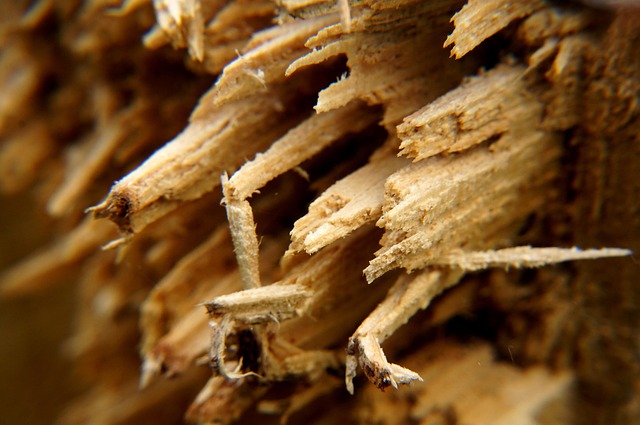
How Timber Rot Can Develop
Timber rot is usually linked to moisture. If spray foam restricts airflow, hides leaks, or traps condensation against roof timbers, the risk of timber decay can increase over time.
The difficulty is that foam can hide early warning signs. A surveyor may not be able to see the full roof structure until the foam is removed.
Can Timber Be Checked After Removal?
Yes. Once the foam has been carefully removed, the roof timbers can usually be inspected more clearly. This can help identify staining, softness, moisture signs, decay, or areas needing further roofing work.
If you need written evidence after removal, see our spray foam removal certificate page.
For Homeowners
If you are worried about hidden rot, professional removal can expose the roof structure for proper inspection.
For Sellers
Foam-related timber concerns can delay a sale. See mortgage refused because of spray foam.
For Buyers
A surveyor may recommend further investigation before exchange if spray foam hides roof timbers.


